An increasing number of travellers are seeking experiences that do more than just showcase a destination’s beauty. They want to make a positive impact. Eco-tourism in New Zealand’s North Island offers a powerful way to connect with its unique landscapes and wildlife while actively contributing to their preservation. These experiences provide a meaningful look into the efforts being made to protect the country's natural heritage.
To help you plan a trip that gives back, we have selected five of the best eco-tourism experiences in the North Island. Our choices are based on specific criteria to ensure they represent the best of sustainable travel. Each one demonstrates a strong commitment to conservation, offers exceptional educational value, and provides a high-quality, memorable visitor experience. From predator-free sanctuaries to community-led restoration projects, this guide highlights opportunities to support vital work while you travel.
1. Zealandia Ecosanctuary (Wellington)
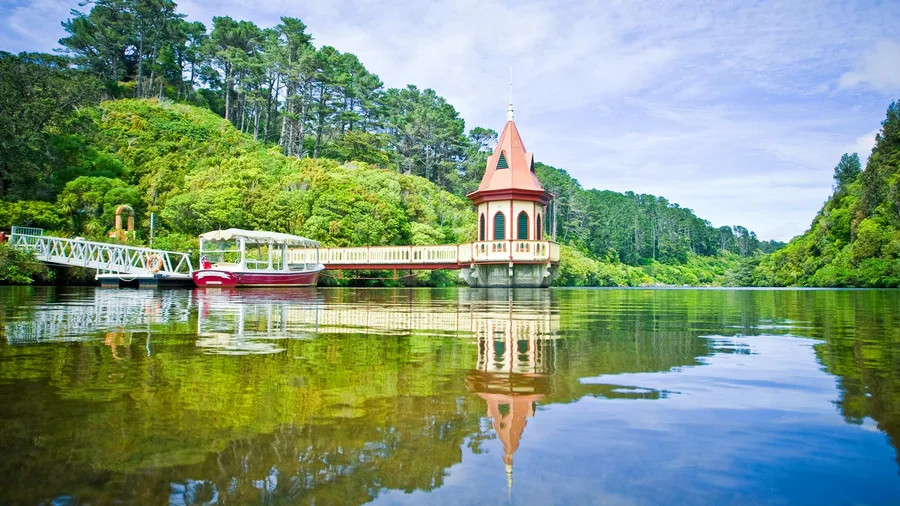
Zealandia is a world-class conservation project located just minutes from central Wellington. This 225-hectare urban ecosanctuary is protected by a groundbreaking predator-proof fence. Its mission is to restore a corner of New Zealand to its pre-human state. The sanctuary has successfully reintroduced over 20 species of native wildlife, some of which had been absent from the mainland for more than a century. A visit here is a powerful lesson in ecological restoration.
Guided tours, available both day and night, offer deep insights into the local ecosystem. By night, you can search for the little spotted kiwi and the ancient tuatara. By day, you will be surrounded by the sounds of native birds like the kākā, tīeke, and hihi. Every visit supports Zealandia's long-term conservation and research goals.
- Best For: Wildlife enthusiasts and anyone interested in urban conservation success stories.
- Key Highlights: The chance to see rare and endangered species in a protected habitat, plus the immersive guided tours.
- Website:visitzealandia.com
2. Kapiti Island Nature Tours (Kapiti Coast)
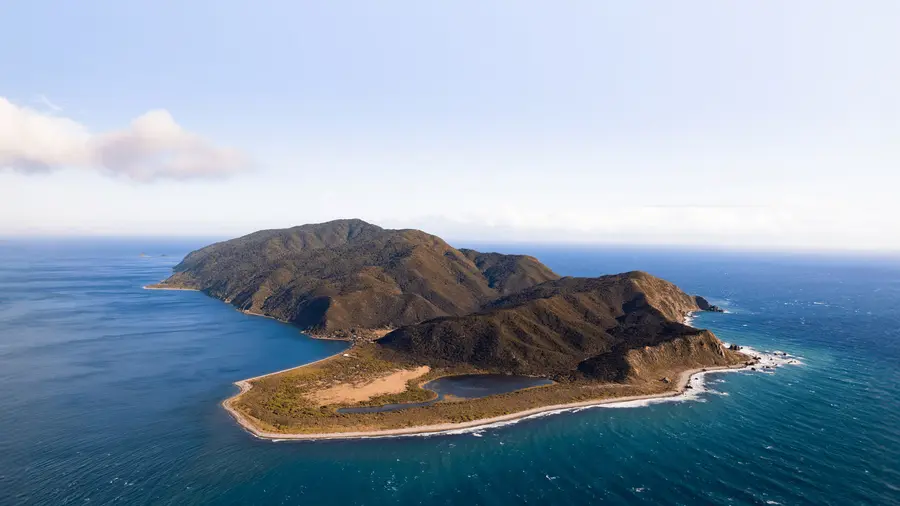
Kapiti Island is one of New Zealand's oldest and most important nature reserves. This predator-free sanctuary, located off the coast north of Wellington, is a haven for native birdlife. A trip here feels like stepping back in time to witness an ecosystem thriving without the threat of introduced mammals. The chorus of birdsong is simply extraordinary, and close encounters with species like the takahē, weka, and hihi are common.
Tours to the island are carefully managed to minimise human impact. Knowledgeable guides explain the history of the island’s restoration and its ongoing importance for species survival. You can visit for a day or choose an overnight stay for a truly immersive experience, including the chance to hear the calls of kiwi after dark.
- Best For: Avid birdwatchers and those seeking a deep immersion in a pristine natural environment.
- Key Highlights: The incredible abundance of fearless native birds and the opportunity to stay overnight in a sanctuary.
- Website:kapitiisland.com
3. Driving Creek Conservation Experience (Coromandel)
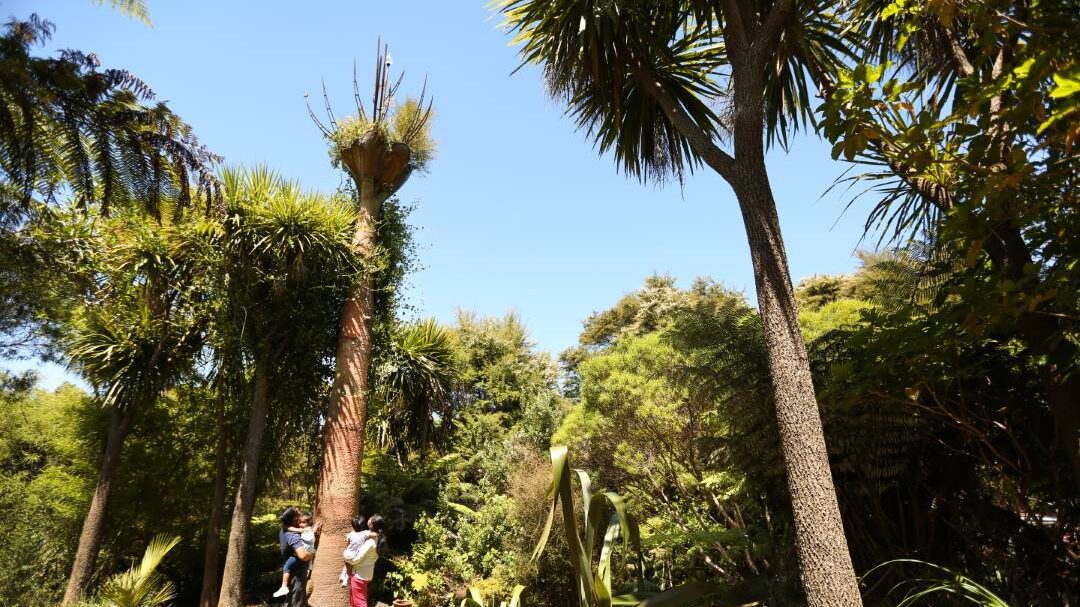
Nestled in the hills of the Coromandel Peninsula, Driving Creek offers a unique and inspiring eco-tourism experience that masterfully blends art, conservation, and engineering. Founded by the late potter Barry Brickell, this destination is built on a legacy of environmental restoration. Your visit directly contributes to a vision of returning the land to a thriving native forest, a project that has been decades in the making.
While famous for its one-hour scenic railway journey, the true heart of Driving Creek is its conservation work. The train ride itself is an educational journey, climbing through regenerating kauri forest and past beautiful handmade sculptures. To delve deeper, the guided conservation tour takes you through a predator-fenced sanctuary that protects vulnerable species like the kiwi and kōkako. Here, passionate guides share the story of the land’s recovery and explain the practical steps involved in protecting native wildlife. It is a fantastic example of how tourism can directly fund positive environmental change.
- Best For: Families, eco-conscious travellers, and anyone who appreciates art and nature.
- Key Highlights: Supporting a significant conservation project, learning about successful wildlife protection programmes, and the unique fusion of art and ecology.
- Website:drivingcreek.nz/discover/conservation
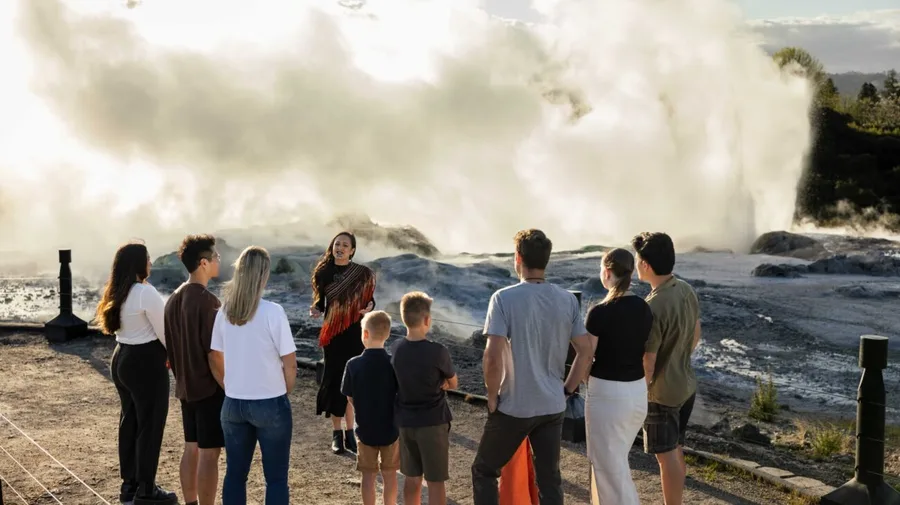
4. Te Puia (Rotorua)
Te Puia is a premier centre for Māori culture and geothermal wonders, but it is also home to the National Kiwi Hatchery Aotearoa. This makes it a vital eco-tourism destination. While exploring the geothermal valley and witnessing the famous Pōhutu Geyser, visitors can also see firsthand the efforts being made to save New Zealand’s national icon.
The hatchery provides a secure environment for incubating and hatching kiwi eggs, raising the chicks until they are strong enough to be released into predator-free environments. Guided tours of the facility explain the challenges kiwi face and the success of the programme. A visit allows you to support this crucial work, as proceeds from Te Puia contribute directly to the hatchery's operational costs. It is an excellent combination of cultural, natural, and conservation experiences.
- Best For: Those interested in Māori culture and hands-on kiwi conservation.
- Key Highlights: Seeing kiwi chicks in the hatchery and knowing your visit supports the national breeding programme.
- Website:tepuia.com
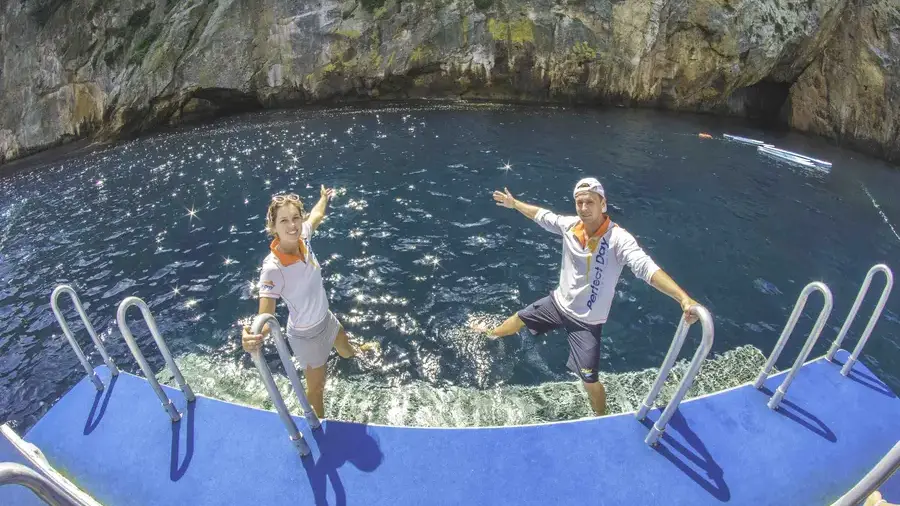
5. Dive Tutukaka (Poor Knights Islands)
The Poor Knights Islands, located off the Tutukaka Coast, are a world-renowned marine reserve. The islands are the remains of an ancient volcano, and their underwater landscape is a labyrinth of arches, caves, and sheer cliffs. The water clarity is exceptional, and the marine life is abundant thanks to the full protection of the reserve. This ecosystem was famously rated by Jacques Cousteau as one of the top ten dive sites in the world.
Local operators like Dive Tutukaka are committed to the preservation of this special place. They run sightseeing, snorkelling, and diving trips with a strong focus on education. Guides share their knowledge of the area’s unique geology, history, and biodiversity. By visiting the Poor Knights with a licensed operator, you are supporting a local economy that depends on the health of the marine reserve.
- Best For: Divers, snorkellers, and anyone who loves the ocean.
- Key Highlights: The incredible underwater visibility and biodiversity, and exploring the world’s largest sea cave.
- Website:diving.co.nz
Frequently Asked Questions
What is eco-tourism?
Eco-tourism is responsible travel to natural areas that conserves the environment, sustains the wellbeing of the local people, and involves interpretation and education. The goal is to have a low-impact and often beneficial effect on the destination.
How does my visit actually help?
In most cases, a portion of your ticket price goes directly towards funding conservation work. This can include pest control, habitat restoration, breeding programmes for endangered species, and scientific research. It also provides sustainable employment for local communities.
Are these experiences suitable for children?
Yes, most of these experiences are very family-friendly. Places like Driving Creek and Zealandia are excellent for engaging children with nature and conservation in a fun and accessible way. Some activities, such as diving, will have age restrictions.